How to Choose the Right Niagara Falls Tour for Your Trip
@canadaniagarafallstourindex
Start With What You Want to See and Do
Every tour starts with a decision about what matters most to you. Niagara Falls is not a single attraction but a region with two main viewpoints, the American side and the Canadian side, plus a river gorge, a park system, and several natural landmarks. Some tours focus on the sheer power of the falls from a boat deck. Others lead you behind the curtain of water itself. A few combine wine tasting, scenic drives, or evening illuminations. Before you compare companies or prices, ask yourself: do you want a close-up water experience, a walking tour of the park, or a full day that covers multiple stops? The answer shapes every other choice.
If you are short on time, a guided tour that handles logistics can save hours of figuring out parking, entry points, and schedules. If you prefer to move at your own pace, a self-guided ticket or a hop-on-hop-off pass might suit you better. The key is to match the tour’s focus to your personal interest, not just to a general list of attractions.
Look at the Tour Route and Duration
Not all tours cover the same ground. Some stay strictly on the Canadian side, giving you views from Queen Victoria Park and the Table Rock complex. Others include the American side, where you can walk to the brink of the falls or take the Cave of the Winds experience. A few tours cross the border and include both countries, which adds time for passport checks and customs. Check the itinerary carefully. A tour that promises “all three falls” may still skip the American side entirely, depending on the operator.
Duration matters just as much. A two-hour tour might give you a quick drive-by and a photo stop. A half-day tour usually includes one major attraction, like the Maid of the Mist boat ride or the Journey Behind the Falls. Full-day tours often bundle several activities together, with a lunch break and time for souvenir shopping. If you are traveling with children or older adults, a shorter tour with fewer steps and waiting times can make the day more comfortable. Read the fine print on how much walking is involved and whether the tour includes time inside the attractions or only views from outside.
Check What Is Included in the Price
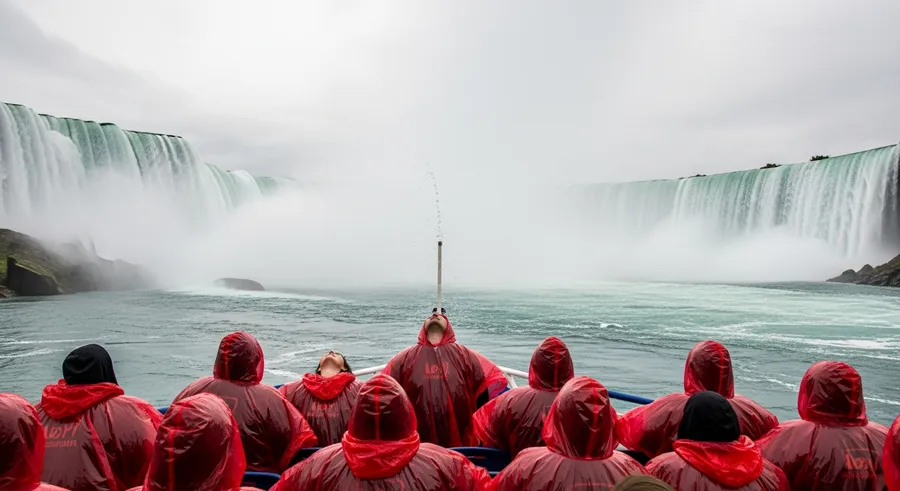
Tour prices vary widely, and the cheapest upfront cost can end up costing more in the end. Some operators charge a base price for the guide and vehicle, then expect you to pay separately for each attraction ticket. Others include all entry fees in one price. Before booking, look for a clear breakdown of what is covered. Common inclusions are boat tickets, elevator access to the falls, and parking. Common exclusions are meals, rain ponchos (sometimes provided, sometimes not), and tips for the guide.
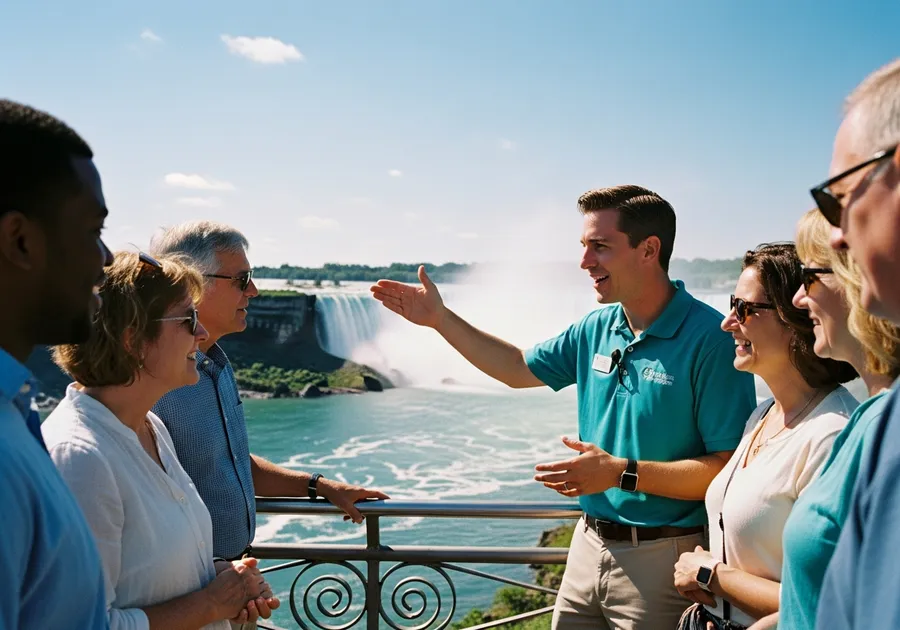
Also ask about transport. A tour that picks you up from your hotel saves you the hassle of driving and finding parking. A tour that meets at a central location may be cheaper but requires you to get there on your own. For first-time visitors, a door-to-door service often reduces stress and leaves more energy for enjoying the sights.
Read Reviews for the Experience, Not Just the Rating
A five-star rating tells you little about what the tour actually felt like. Read a handful of recent reviews that mention specific aspects: the guide’s knowledge, the pace of the tour, the condition of the vehicle, and whether the group felt rushed or had enough time at each stop. Look for comments about the guide’s ability to answer questions and handle unexpected delays. A tour that gets high marks for entertainment but low marks for information may not satisfy a curious traveler.
Pay attention to how the company responds to negative reviews. A thoughtful reply that addresses a complaint suggests good customer service. A defensive or dismissive response may indicate problems if something goes wrong on your day. Also watch for patterns: if multiple reviews mention the same issue, a long wait at a particular attraction, a confusing meeting point, or a guide who talked too fast, treat that as a real possibility.
Consider the Time of Year and Weather
Niagara Falls operates differently across the seasons. Summer brings the busiest crowds, the longest lines, and the warmest weather. Boat tours run frequently, and outdoor walkways are fully open. Fall offers cooler temperatures and fewer people, but some attractions close earlier in the day. Winter transforms the landscape with ice formations and mist that freezes on the railings. Some tours, especially those involving open boats or outdoor decks, may not run from December through March. Spring can be wet and muddy, with some pathways still closed for maintenance.
If you are booking a tour months ahead, check the operator’s cancellation or rescheduling policy. Bad weather can change the experience dramatically. A grey, rainy day might still be enjoyable if the tour includes indoor exhibits and observation decks. But a tour that relies heavily on outdoor views may feel disappointing if visibility is low. Some companies offer a weather guarantee or allow you to switch dates at no charge. Knowing this upfront helps you plan with less worry.
Compare Small Group vs. Large Coach Tours
The size of the group affects how much personal attention you get and how flexible the schedule can be. Large coach tours can carry 40 or more people. They are often cheaper per person, but the group moves together at a fixed pace. Stops for photos are brief, and the guide may not be able to answer individual questions in depth. Small group tours, typically limited to 12 to 15 people, allow for more interaction with the guide, easier movement through crowded areas, and the ability to adjust the route slightly based on the group’s interests.
If you value quiet and convenience, a private tour or a very small group might be worth the higher cost. If you are on a tight budget or traveling with a large family, a coach tour can still give you a solid overview of the falls without breaking the bank. Just set expectations accordingly.
Think About the Guide’s Expertise
A great guide turns a good tour into a memorable one. The best guides know the history, geology, and local stories behind each viewpoint. They can point out details you would miss on your own, like the way the water changes color at different times of day or the hidden markers along the Niagara Gorge. Some guides are licensed by the park system and have undergone formal training. Others rely on scripted material and may not handle off-topic questions well.
When reading descriptions of tours, look for mentions of the guide’s background or certification. If a company highlights its guides’ local experience or years of service, that is a positive sign. A tour that does not mention the guide at all may treat the role as secondary. You can sometimes email the company and ask about the guide’s expertise before booking. A responsive and transparent operator is usually a good one.
Plan for Downtime and Comfort
A well-designed tour includes moments for rest, food, and reflection. The falls are powerful and loud, and a full day of walking and standing can be tiring. Check whether the tour includes a lunch stop with a decent selection of food or if you are expected to bring your own. Some tours offer a sit-down meal at a restaurant with a view of the falls, which can be a highlight of the day. Others leave you to grab something quick from a food truck or concession stand.
Comfort also depends on the vehicle. An air-conditioned bus with reclining seats and a restroom on board makes a long day easier. A small van with limited legroom may feel cramped for tall passengers. If the tour crosses the border, ask whether the vehicle has a working bathroom and whether the driver handles the customs paperwork or if you need to do it yourself.
Use the Right Sources to Compare
Many tour companies advertise online, but finding reliable information takes a little digging. The Niagara Falls Day Trip official site offers a clear overview of tour options, including details about routes, inclusions, and seasonal availability. Browsing that site can give you a baseline for what a good tour should include. It also helps you spot operators who leave out important details or make vague promises.
Once you have a shortlist, cross-check the options on a few travel platforms. Look for consistency across the reviews. If a tour gets glowing ratings on one site and mixed ratings on another, read the actual comments to see what the difference is. Pay attention to recent reviews, because an operator that was excellent five years ago may have changed ownership or cut back on service.
Make Your Choice Based on Fit, Not FOMO
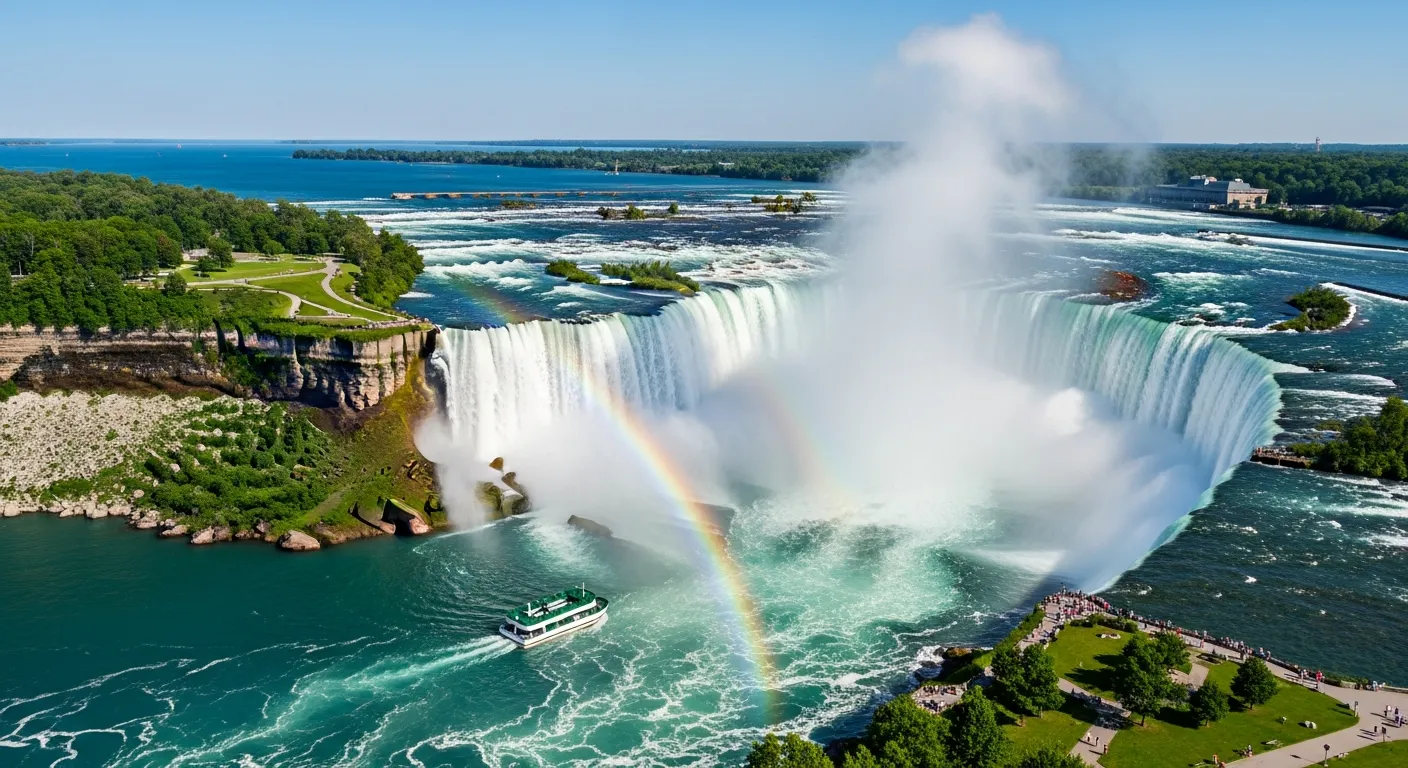
It is easy to feel like you need to see everything in one day. But trying to pack too much into a single tour can lead to exhaustion and a blur of memories. A focused tour that gives you time at each stop often leaves a stronger impression than a whirlwind tour that covers ten locations in six hours. If you are visiting for more than one day, consider splitting your time between two different tours: one that covers the major attractions and another that explores a specific area, like the Niagara Gorge or the nearby wine region.
Remember that the goal is to enjoy the falls, not to check off every item on a list. A tour that matches your pace, interests, and comfort level will give you a richer experience than one that is simply popular or highly rated. The Niagara Falls Day Trip official site provides a helpful starting point for comparing tours side by side. Use it as a resource, but let your own preferences guide the final decision.
When you find a tour that fits, book it with confidence and look forward to a day that belongs to you and the people you travel with. The falls have been drawing visitors for centuries, and the right tour helps you see them in a way that feels personal, not packaged.